Blood Handling Temperature-Control Solutions
From plasma thawing and blood warming to platelet storage — every degree of deviation is a risk. Hotech provides precise, monitorable temperature-control equipment to help medical units reduce temperature risk across the blood-handling workflow.
Explore the EquipmentThree Key Blood-Handling Scenarios
Blood has very different temperature requirements at each stage of handling. Hotech provides dedicated temperature-control equipment for each scenario.
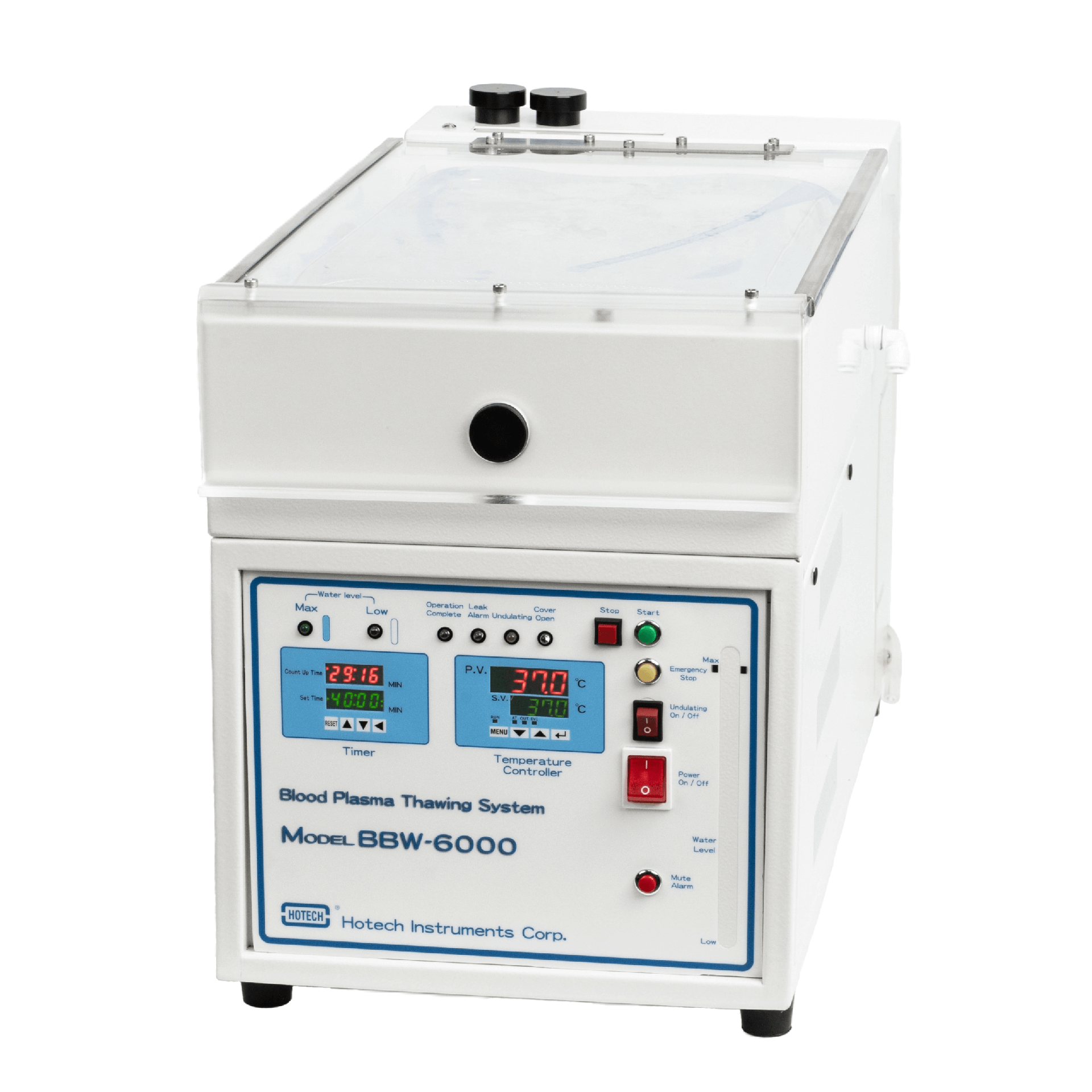
Plasma Thawing (Plasma Thawing)
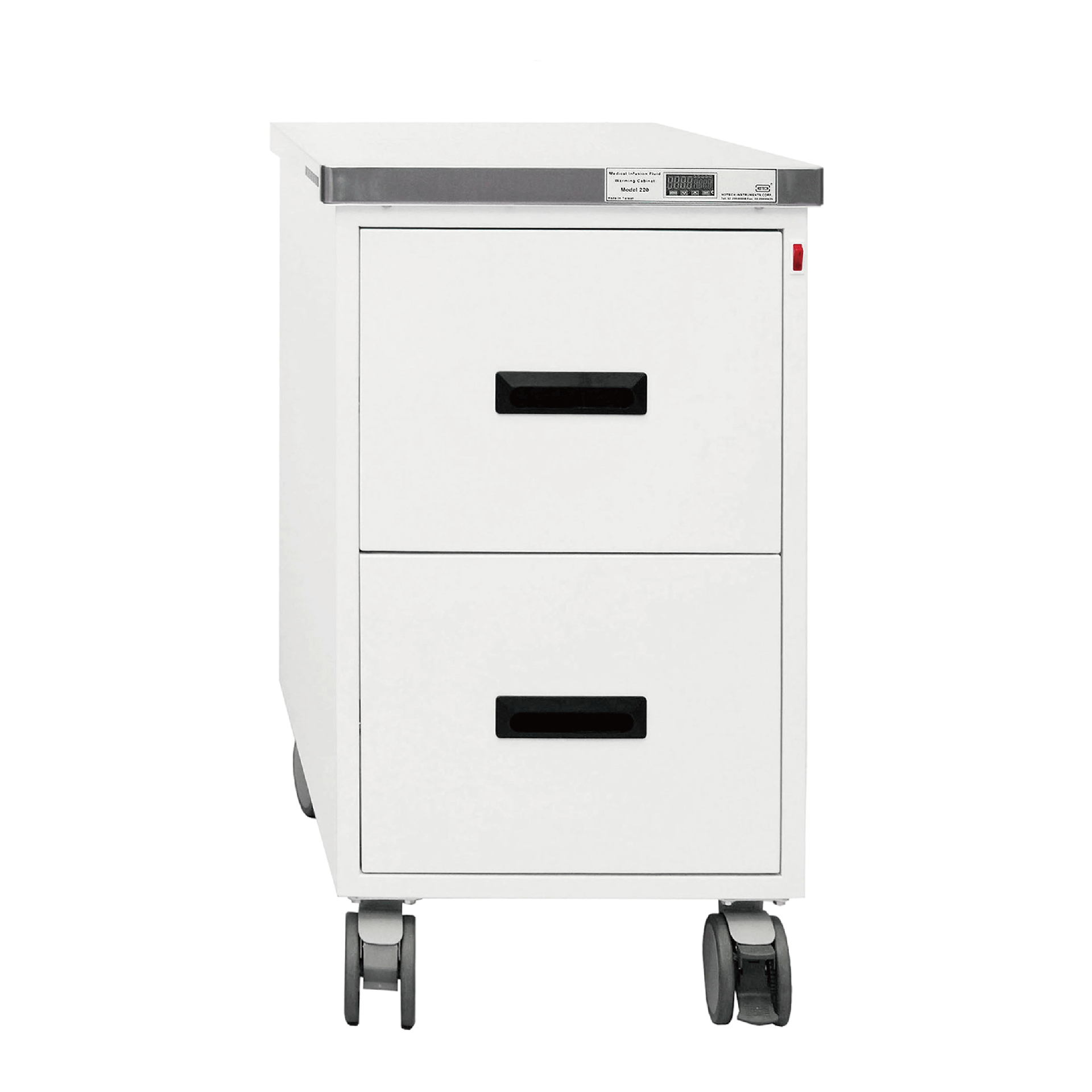
Thawing fresh frozen plasma (FFP) calls for uniform temperature and avoidance of local overheating. Hotech's dry-type plasma thawing system uses a dry constant-temperature design: standard setting 37°C (accuracy ±1°C, display resolution ±0.1°C), with 46°C over-temperature protection and real-time monitoring.
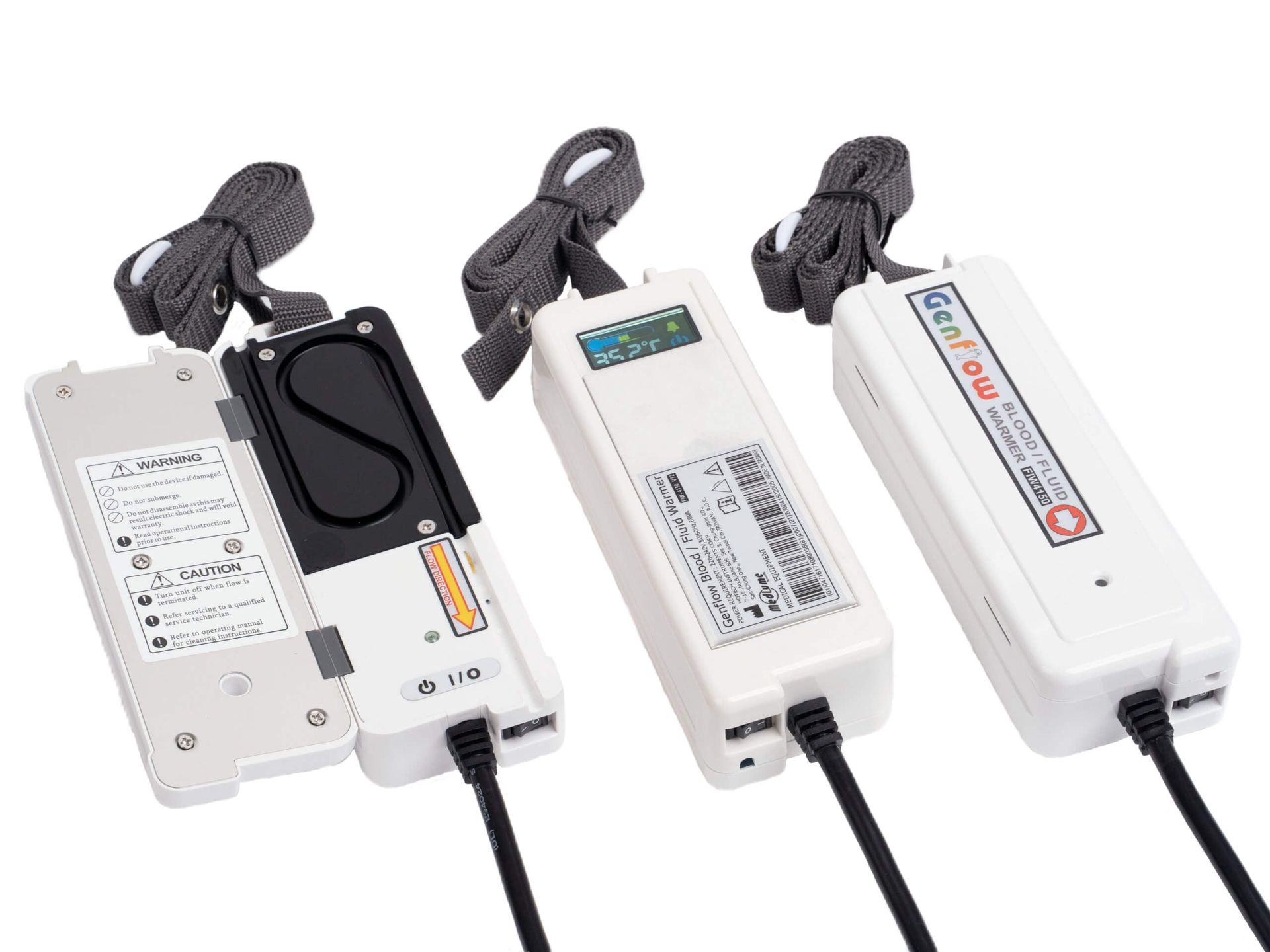
Blood Warming (Blood Warming)
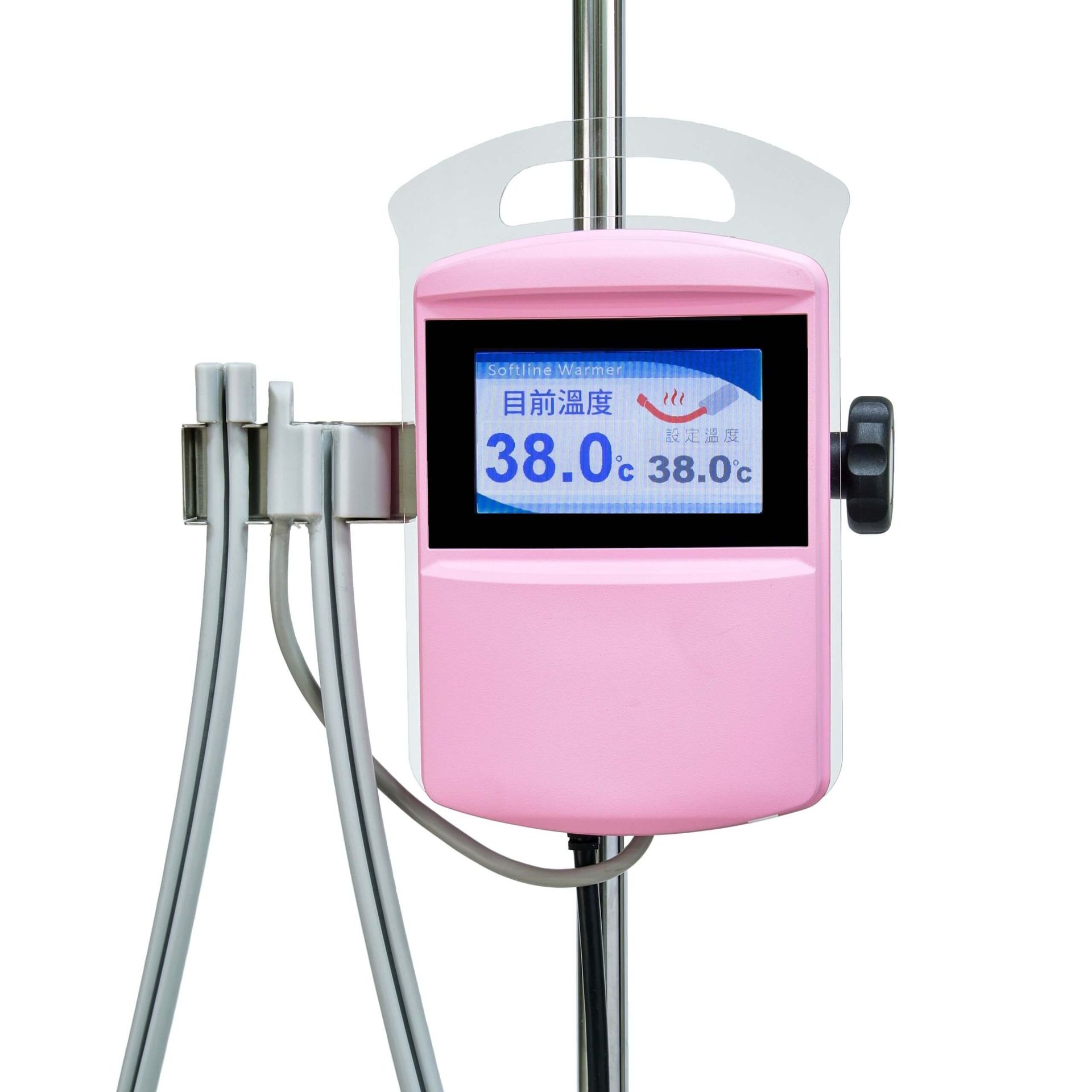
In settings such as massive transfusion and rapid infusion, clinical practice commonly warms blood and fluids to near body temperature. Hotech's GenFlow series provides in-line warming in two models: the FIW-4150 operates at 27–37°C with automatic cut-off above 42°C; the soft-line 230 is settable from 30.0–39.0°C in 0.1°C steps, with dual over-temperature protection and audible/visual alarms.
Platelet Storage (Platelet Storage)
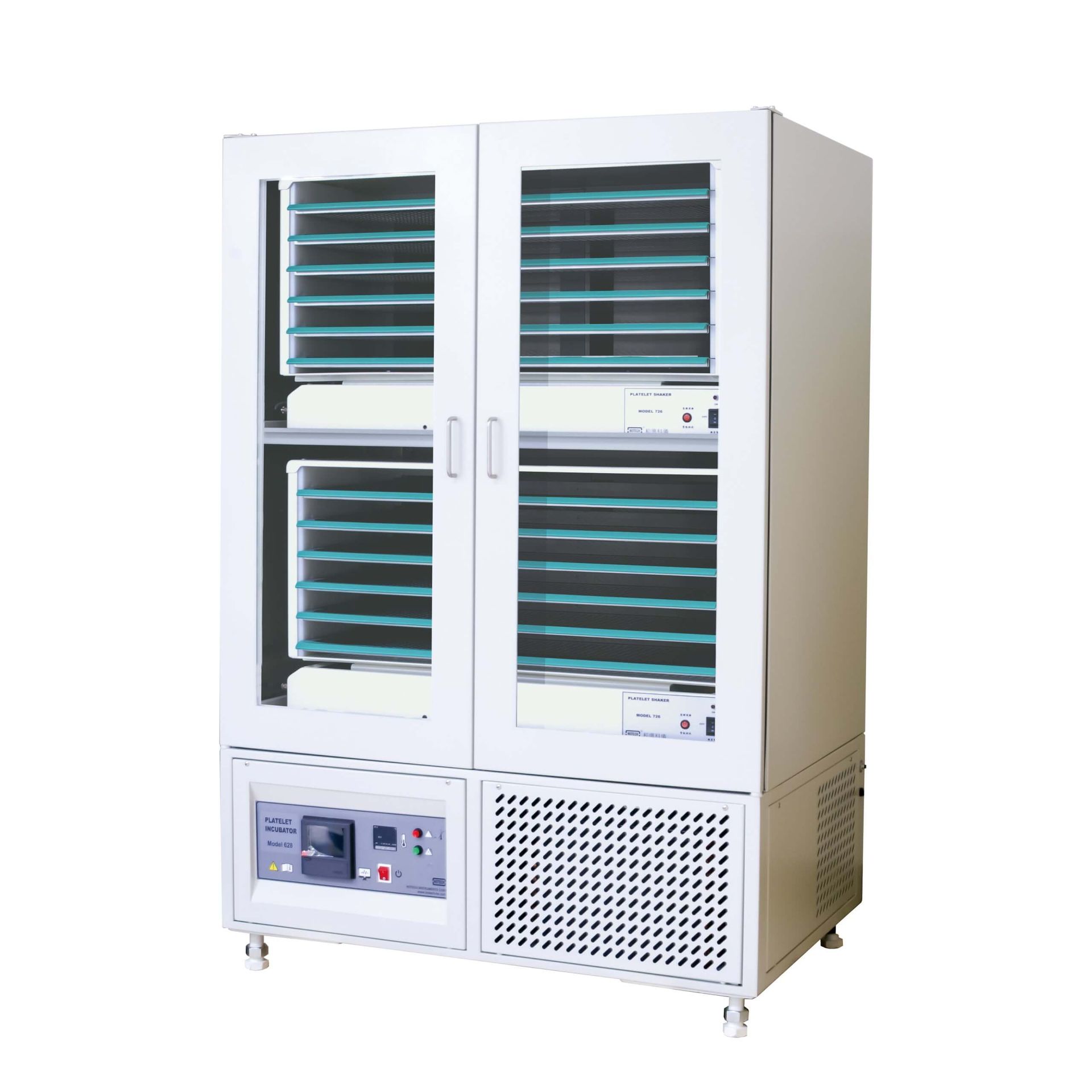
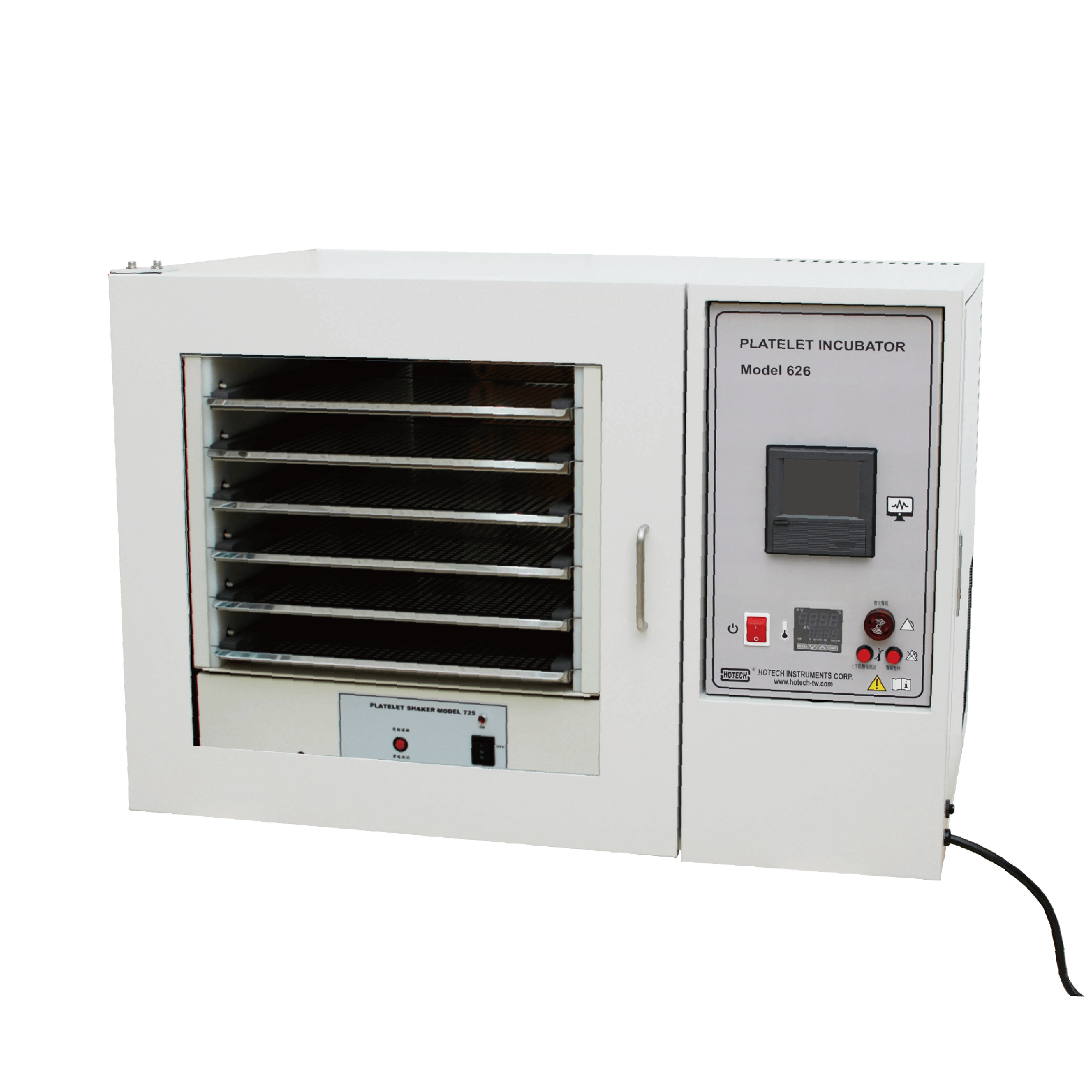
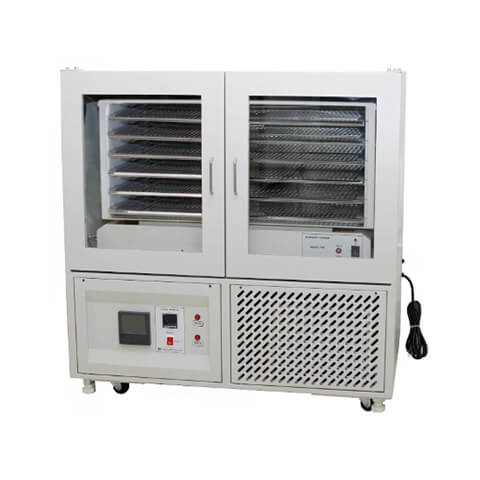
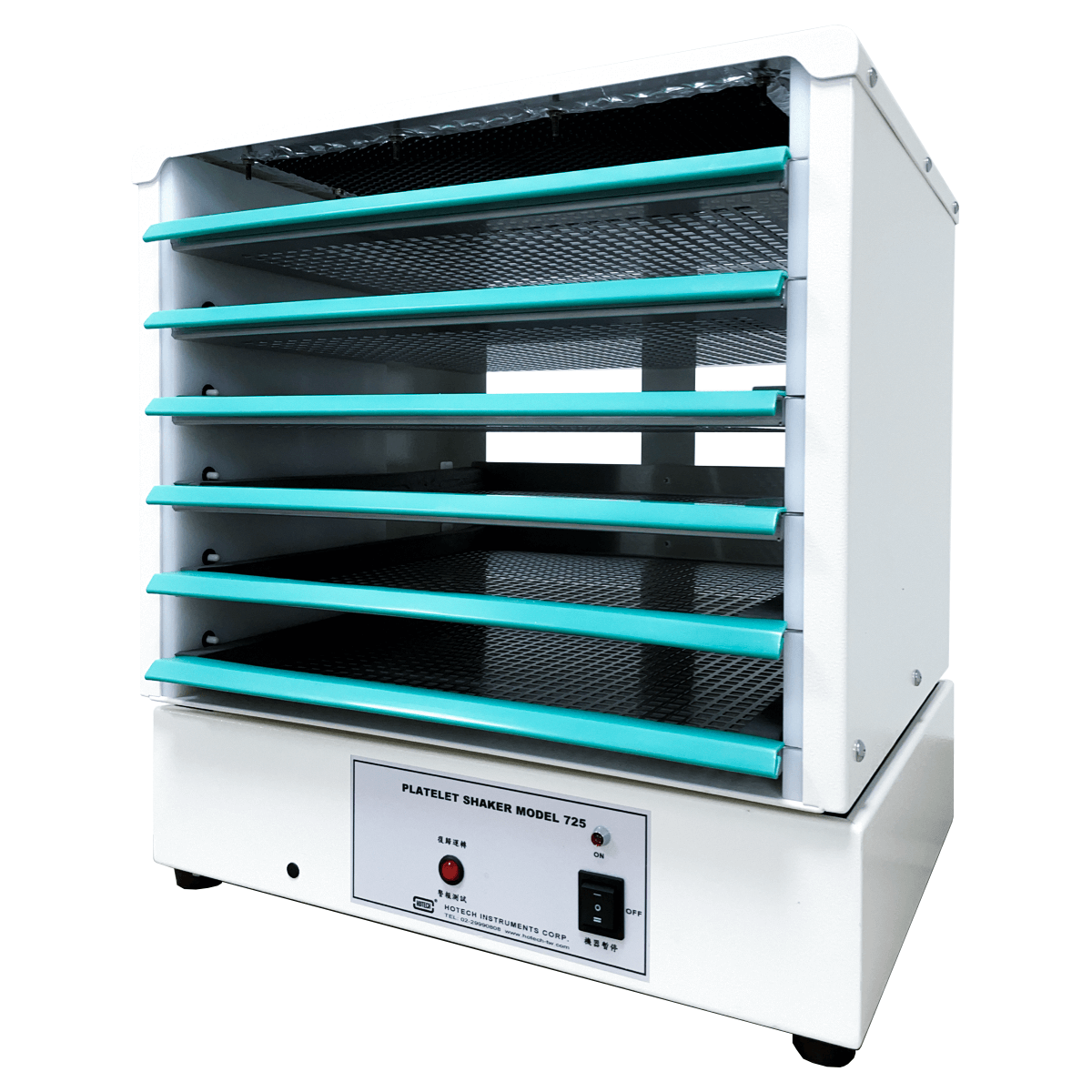
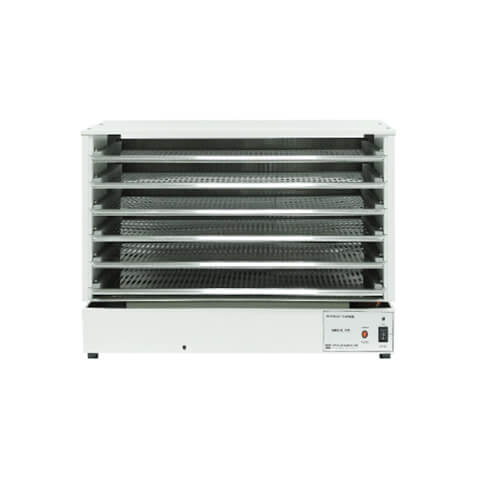
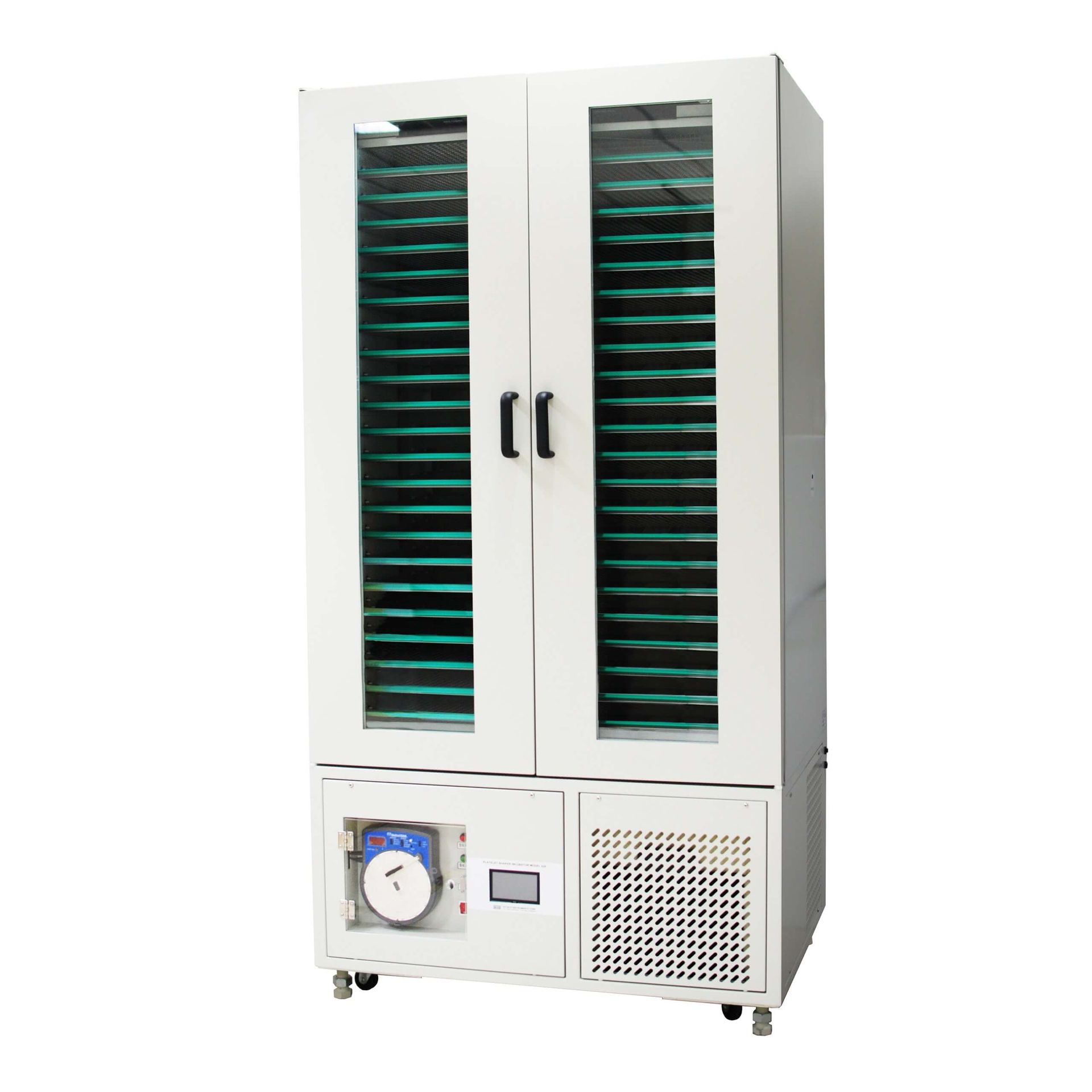
Platelets are generally stored at about 20–24°C with continuous gentle agitation. Hotech's platelet agitation storage devices integrate both functions: incubator range 20–24°C (stability ±0.1°C), agitation speed 70±3 rpm, with power-failure alarm and USB/SD temperature logging. Five models are available by capacity and configuration.
Platelet Storage Devices
Five models: agitator-with-incubator units 626/627/628 (integrated temperature control and agitation), and platelet agitators 725/726 (for use with an existing storage environment). Choose by capacity and configuration.
Solutions for Your Role
Different units face different temperature-control challenges. Choose your role to see the most relevant equipment and services.
Blood Bank
Plasma thawing, platelet incubation with agitation, and blood-product warming — Hotech provides integrated temperature-control and monitoring equipment to help blood banks maintain quality and efficiency.
Plan a blood-bank solution →
Clinical Engineering
Calibration, scheduled maintenance, temperature verification and troubleshooting — Hotech's technical team provides complete clinical-engineering support and after-sales service to keep equipment running reliably.
Ask about calibration & maintenance →Blood-Handling Equipment
Hotech's blood temperature-control product line is ISO 13485 and TFDA certified.
Frequently Asked Questions
At what temperature should plasma (FFP) be thawed?
Fresh frozen plasma is generally thawed at a constant temperature near 37°C; the key is uniform temperature and avoiding local overheating. Hotech's dry-type plasma thawing system maintains uniform temperature (standard setting 37°C, accuracy ±1°C).
Why does blood need to be warmed?
In settings such as massive transfusion, rapid infusion, or neonatal care, clinical practice commonly warms blood and fluids to near body temperature before infusion. Hotech's GenFlow series provides in-line warming (operating range 27–37°C or 30.0–39.0°C by model, with over-temperature protection).
What are the storage temperature and conditions for platelets?
Platelets are typically stored at about 20–24°C with continuous gentle agitation. Hotech's platelet agitation storage devices integrate constant-temperature control (20–24°C, stability ±0.1°C) with agitation (70±3 rpm).
Need a temperature-risk assessment for your unit?
Hotech's consultants help identify temperature-risk points in your blood-handling workflow and recommend equipment and calibration.