Why Is Blood Warmed? When and How to Warm Blood for Transfusion
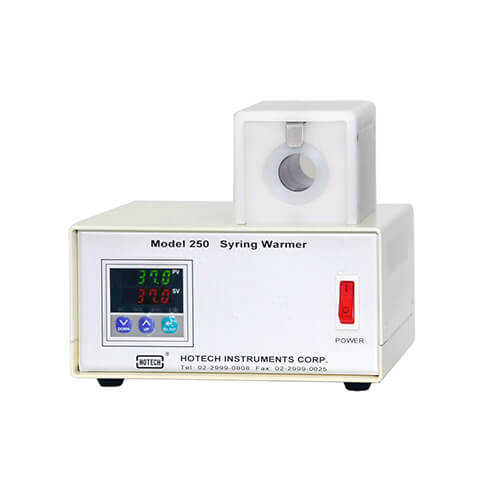
For massive transfusion, rapid infusion, or patients at high risk of hypothermia, warming refrigerated blood and fluids to near body temperature (about 37°C) helps avoid hypothermia and related complications from infusing cold blood. Warming should not exceed near-body temperature, must avoid overheating, and should be monitored throughout.
Risks of cold blood
- Refrigerated blood is usually stored at 1–6°C. Rapidly infusing large volumes of unwarmed cold blood can lower the patient's core temperature and cause hypothermia.
- Hypothermia can impair coagulation, increase the risk of arrhythmia, and affect intra- and post-operative recovery.
When warming is needed
- Massive transfusion or rapid infusion (e.g., trauma, major surgery).
- Neonatal and pediatric transfusion or exchange transfusion.
- Patients already at risk of hypothermia, or with known cold agglutinin disease.
- Not all transfusions need warming — routine small-volume transfusions usually do not; follow clinical judgment and institutional policy.
Key principles of warming
- The target is near body temperature (about 37°C) and must not overheat: excessive temperature can cause red-cell hemolysis.
- Blood-warming equipment should provide precise control, real-time monitoring and over-temperature alarms.
Related Products
- GenFlow Blood/Fluid Warmer FIW-4150 →
- GenFlow Soft-Line Blood/Fluid Warmer 230 →
- Warming Cabinet 220M →
FAQ
To what temperature should blood be warmed?
Generally to near body temperature (about 37°C), without overheating. Excessive temperature can cause hemolysis, so equipment must have temperature control and over-temperature protection.
Does all blood need warming?
No. It is mainly for massive/rapid transfusion, neonatal and pediatric cases, hypothermic patients or cold agglutinin disease; routine small-volume transfusion usually does not require warming.
What happens if blood is overheated?
Overheating can cause red-cell hemolysis and harm the patient, so equipment must have precise control and over-temperature alarms.